

Understanding Tummy Tuck Benefits: Is It Right for You?

March 15, 2025

A flat, toned abdomen is often associated with health, confidence, and youthful appearance. However, many individuals find that despite their efforts with diet and exercise, they still struggle with loose, sagging skin and weakened abdominal muscles—issues that can persist after pregnancy, significant weight loss, or as part of the natural aging process. For those looking to achieve a more natural and balanced body contour, a tummy tuck (abdominoplasty) is a highly effective surgical option that offers both cosmetic and functional benefits. But is a tummy tuck right for you? Here, we explore the key advantages of the procedure, the ideal candidate profile, and why choosing a qualified, board-certified plastic surgeon makes all the difference.


What Is a Tummy Tuck?


According to the
American Society of Plastic Surgeons (ASPS), abdominoplasty, commonly known as a tummy tuck, is designed to make the abdomen slimmer and firmer by removing excess skin and fat, and tightening weakened or separated muscles. Unlike liposuction, which primarily reduces fat, a tummy tuck addresses the superficial skin and underlying musculature to restore a more natural, contoured appearance. It is especially effective for individuals with sagging skin, stretch marks, and muscle separation following pregnancy or significant weight loss. It provides a comprehensive solution that results in a smooth, toned abdomen that reflects a more authentic version of your natural self.
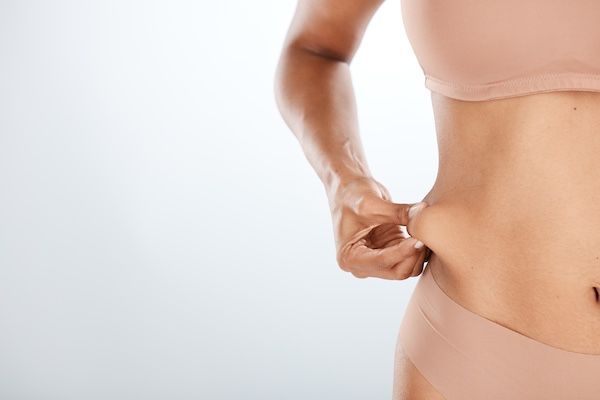

A woman in underwear is pinching her stomach.

The Benefits of a Tummy Tuck


1. Significant Removal of Excess Skin and Fat


One of the primary benefits of a tummy tuck is its ability to address excess skin that remains after weight loss or pregnancy. This sagging skin can cause discomfort, restrict physical activity, and result in skin irritation. The
Cleveland Clinic notes that abdominoplasty is "most effective for patients with loose, sagging skin that does not respond to diet or exercise". When performed by an experienced plastic surgeon, a tummy tuck can remove this redundant tissue, resulting in a flatter, smoother abdomen that aligns with the patient’s natural body proportions. With proper technique, the procedure offers a safe, natural, and enduring solution to help restore your natural self.


2. Restoration and Strengthening of Abdominal Muscles


Pregnancy and weight fluctuations often cause the muscles in the abdomen to separate or weaken—a condition called Diastasis Recti. This condition causes a protruding or “dished” appearance, sometimes leading to poor posture or back pain. During a tummy tuck, the plastic surgeon tightens and repairs these muscles, restoring core strength and improving the overall contour of the abdomen. The
American Society of Plastic Surgeons emphasizes that muscle repair during a tummy tuck provides long-term functional benefits and a more natural, firm appearance.


3. Improved Confidence and Body Image


Many patients report a significant boost in self-confidence following a tummy tuck. Restoring a more natural, flat abdomen allows individuals to wear clothing that previously felt uncomfortable or unflattering. This transformation often leads to improved social interactions and enhanced overall well-being. Research published in the
National Institutes of Health (NIH) finds that most patients experience increased satisfaction with their appearance and self-esteem after abdominoplasty.


4. Long-Lasting Results with Proper Care


When combined with a stable weight and healthy lifestyle, a tummy tuck's results can last a lifetime. The procedure physically removes excess tissue and tightens muscles, offering a permanent improvement. However, subsequent weight fluctuations can affect the longevity of the results, so maintaining a healthy weight is essential for long-term satisfaction.


Am I a Good Candidate?


While a tummy tuck offers remarkable benefits, it isn’t suitable for everyone. Candidates usually meet the following criteria:


- They are within 10-15 pounds of their ideal weight and maintain a stable weight.

- They have loose, sagging skin or a protruding abdomen that persists despite diet and exercise efforts.

- They experience separation or weakness of the abdominal muscles.

- They are in good overall health and free from medical conditions that impair healing.

- They are non-smokers or are willing to quit smoking before and after surgery.

- They have realistic expectations about the outcomes.


A consultation with a trusted, board-certified plastic surgeon is essential to evaluating individual suitability and developing a personalized surgical plan.


Why Choose a Board-Certified Plastic Surgeon?


Choosing a highly qualified, board-certified plastic surgeon ensures that your abdominoplasty will be performed with expertise and adherence to the highest safety standards. Certification by the American Board of Plastic Surgery (ABPS) signifies extensive training, experience, and a commitment to ongoing education. These surgeons are skilled in techniques that optimize natural results while minimizing visible scarring or complications. Working with a board-certified specialist provides peace of mind knowing that your health and aesthetic goals are in trusted hands, resulting in outcomes that reflect your natural self.
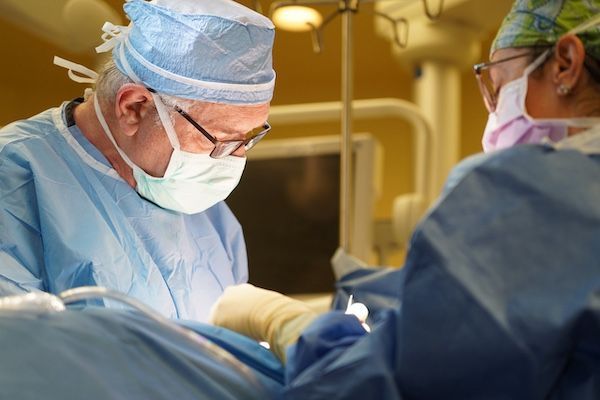


Dr. Ram Kalus, wearing a mask and gown, is operating on a patient.

Take the Next Step Toward Your Natural Self


If you believe a tummy tuck could be the right solution or have questions about the procedure, it’s essential to consult an experienced professional. Dr. Ram Kalus, a board-certified plastic surgeon, is committed to helping patients achieve their aesthetic goals safely and naturally. With personalized care and a focus on enhancing your natural self, Dr. Kalus offers the expertise to guide you through your transformation, whether for body confidence, comfort, or both.

Contact Dr. Ram Kalus today to schedule a consultation and discover how a tummy tuck can help you achieve a more natural, confident look. Your path to a rejuvenated and authentic appearance begins with expert guidance—take the first step now. Be sure to listen to the  Sculpting the Soul podcast, where Dr. Ram Kalus covers various topics related to body contouring, including an insightful episode dedicated to the key factors determining if you're a suitable candidate for a tummy tuck. These episodes provide valuable information to help you decide about your cosmetic journey.

View Our Gallery of Successful Tummy Tuck Procedures
By Braian Greno June 29, 2026
Nuevo título
By Stingray Branding July 16, 2025
Breast augmentation is a personal decision and there is no one- size-fits-all approach to the process. Many women with small breasts may consider breast augmentation to enhance their breast size and improve their self-confidence. However, deciding on the ideal size for breast implants can be daunting, especially if the goal is to achieve a natural and pretty outcome. To determine the ideal size of breast implants, it is crucial to consult with a board-certified plastic surgeon who will evaluate your current breast size, shape, and the extent of the desired augmentation. The surgeon will also consider your body type, lifestyle, and cosmetic goals. Breast Implants are available in many different sizes and there are three important implant measurements to consider: Volume, Width, and Projection. Most patients focus on volume (250 cc versus 350 cc) but in fact, the most important single measurement of an implant is the width. Similar to shoe size, the implant must “fit” underneath the breast just as a shoe must fit the foot. During the consultation, the surgeon may use images of women with your dimensions and breast size and shape to help you determine what might be right for you. This helps the patient to visualize how their breasts will look after the procedure and make an informed decision regarding the size of the breast implants. It is essential to ensure that the desired size is not too large for your frame as this may result in an unnatural appearance. A skilled surgeon will take measurements to determine the best size for your body type and ensure that the breast implants are proportional and aesthetic. In conclusion, breast augmentation is an excellent option for women who want to enhance their breast size and appearance. Choosing the ideal size of breast implants requires careful consideration of multiple factors, including consultation with a board-certified plastic surgeon, body type, desired cosmetic outcome, and lifestyle. It is essential to make an informed decision, aiming for natural-looking and pretty breasts. For more information or if you would like to schedule a consultation to discuss a beautiful and natural appearing breast augmentation, Breast Augmentation: What you need to know Breast augmentation is a personal decision and there is no one- size-fits-all approach to the process. Many women with small breasts may consider breast augmentation to enhance their breast size and improve their self-confidence. However, deciding on the ideal size for breast implants can be daunting, especially if the goal is to achieve a natural and pretty outcome. To determine the ideal size of breast implants, it is crucial to consult with a board-certified plastic surgeon who will evaluate your current breast size, shape, and the extent of the desired augmentation. The surgeon will also consider your body type, lifestyle, and cosmetic goals. Breast Implants are available in many different sizes and there are three important implant measurements to consider: Volume, Width, and Projection. Most patients focus on volume (250 cc versus 350 cc) but in fact, the most important single measurement of an implant is the width. Similar to shoe size, the implant must “fit” underneath the breast just as a shoe must fit the foot. During the consultation, the surgeon may use images of women with your dimensions and breast size and shape to help you determine what might be right for you. This helps the patient to visualize how their breasts will look after the procedure and make an informed decision regarding the size of the breast implants. It is essential to ensure that the desired size is not too large for your frame as this may result in an unnatural appearance. A skilled surgeon will take measurements to determine the best size for your body type and ensure that the breast implants are proportional and aesthetic. In conclusion, breast augmentation is an excellent option for women who want to enhance their breast size and appearance. Choosing the ideal size of breast implants requires careful consideration of multiple factors, including consultation with a board-certified plastic surgeon, body type, desired cosmetic outcome, and lifestyle. It is essential to make an informed decision, aiming for natural-looking and pretty breasts. For more information or if you would like to schedule a consultation to discuss a beautiful and natural appearing breast augmentation, visit www.drkalus.com or contact the office of Dr. Ram Kalus at 843-972-3122 , or send an email to info@drkalus.com .
By Stingray Branding July 16, 2025
Breast augmentation is the most commonly performed cosmetic surgery procedure in the world. Women opt for breast augmentation to enhance the appearance of their breasts, restore breast volume after pregnancy or weight loss, and to improve their self-esteem and confidence. In this article, we will explore what breast augmentation is, its cost, different types of breast implants, how to prepare for the procedure, the surgery itself, healing after surgery, and how long your implants may last. What is Breast Augmentation? Breast augmentation, also known as breast enlargement or augmentation mammaplasty, is a surgical procedure that involves the insertion of breast implants to increase the size, shape, and fullness of the breasts. Breast implants are medical devices that are filled with either saline or silicone gel and placed under the breast tissue or chest muscle. The choice of implant and placement location will depend on several factors, including desired outcome, your anatomy, and your plastic surgeon's recommendation. How much does a Breast Augmentation Cost? The cost of breast augmentation can vary depending on several factors, including the surgeon's fee, type of breast implant, surgical facility fee, anesthesia fee, and pre-operative testing. According to the American Society of Plastic Surgeons, the average total cost of breast augmentation surgery in the USA ranges from $6,000 to $10,000, but can be higher depending on city, surgeon, and facility. More experienced senior plastic surgeons will generally have higher fees. Breast Implants There are two main types of breast implants: saline-filled, and silicone gel-filled. Both types of implants have a silicone shell or envelope, but “saline“ implants are filled with sterile salt water, while “silicone” implants are filled with a cohesive silicone gel. The choice of implant will depend on several factors, including the patient's preference, the surgeon's recommendation, and the desired outcome. Saline implants have a lower cost compared to silicone implants, and they are filled a the time of surgery, allowing for minor adjustments to be made to the size during surgery. However, there is a slightly greater risk of visible or palpable rippling with saline filled implants when compared with silicone gel-filled implants. In addition to the type of implant, there are different shapes and sizes available to accommodate different body types and desired outcomes. Your surgeon will work with you to select the best implant size and shape based on your body type, skin elasticity, and desired outcome. Most plastic surgeons today use round smooth implants and precise preoperative planning by an experienced plastic surgeon is the surest way to achieve a beautiful and natural appearing result. How to Prepare for Breast Augmentation: Before undergoing breast augmentation surgery, it is important to stop certain medications, such as aspirin and non-steroidal anti-inflammatory drugs (NSAIDs), that can increase bleeding risk. Quitting smoking and avoiding nicotine products for several weeks before and after surgery is also very important as smoking can impair healing and increase the risk of complications. Maintaining a healthy lifestyle, including a balanced diet and regular exercise are also important. Arranging for transportation to and from the surgical facility on the day of the procedure is a must, since you will not be able to drive yourself home after surgery. Preparing your home for your recovery, such as stocking up on food and necessary supplies, and arranging for help with household chores and caring for children or pets is very important and it is advisable to avoid certain activities such as driving for a week or two, lifting children or other heavy objects, laundry and vacuuming, and exercise for approximately4 weeks. It is important to follow your surgeon's instructions carefully The Surgery - Step by Step: Breast augmentation surgery is typically performed under general anesthesia and may take one to two hours to complete. The surgery generally involves the following steps:  Incision : The surgeon will make an incision in the predetermined location based on the type of implant, patient's anatomy, and desired outcome. Usually the incision is in the fold below the breast. The surgeon will take care to make the incision as small and inconspicuous as possible to minimize scarring. Implant Placement : The surgeon will create a pocket to insert the breast implant. The pocket can be created either under the breast tissue (subglandular or subfascial placement) or beneath the chest muscle (“submuscular” or “subpectoral” or dual plane” placement). The choice of implant placement will depend on the patient's anatomy, desired outcome, and surgeon's recommendation. The surgeon will then insert the implant into the pocket and adjust it for the desired position and symmetry. Closing the Incision : Once the implant is in place, the surgeon will close the incision with dissolvable sutures and glue or surgical tape. The incision will be covered with a sterile dressing or surgical bra to protect the incision site and showering is permitted the next day. Healing After Breast Augmentation: After the surgery, patients can expect some swelling, bruising, and discomfort in the breasts for several days to weeks. Most Patients fee 75% recovered within 7-10 days and 95% recovered by 4 weeks. Pain medication and antibiotics may be prescribed to manage pain and prevent infection. It is important to follow the surgeon's post-operative instructions carefully, which may include: Rest and Recovery : Patients are advised to avoid strenuous activities and lifting heavy objects for several weeks after the surgery. Patients may also be required to wear a surgical bra to support the breasts and aid in healing. Follow-up appointments : Patients will be scheduled for follow-up appointments to monitor healing progress and remove any sutures. Scar Management : Scarring is a natural part of the healing process after surgery. The surgeon may provide instructions on scar management, including massage and the use of silicone sheets or gels. Most patients heal their scars beautifully but it may take up to twelve months for the scar to reach its final appearance. Potential Complications Like any surgical procedure, breast augmentation surgery carries a risk of potential complications and dangers. Some of the risks associated with breast augmentation surgery include infection, bleeding, scarring, and anesthesia complications. Additionally, there is a risk of implant rupture, leakage, or capsular contracture (scar tissue formation around the implant). In rare cases, breast implants can also cause autoimmune or connective tissue diseases. It's important for patients to understand the potential risks and complications associated with breast augmentation surgery and to discuss them with their surgeon during the consultation phase. Patients should also follow the surgeon's instructions carefully during the post-operative period and attend all follow-up appointments to monitor healing progress and address any concerns or complications that may arise. Overall, while the risks associated with breast augmentation surgery are relatively low, patients should be aware of them and weigh them against the potential benefits of the procedure. How Long Will Your Implants Last? Breast implants are not considered lifetime devices and will require replacement at some point. The lifespan of breast implants will vary from patient to patient and will depend on several factors, including the type of implant, implant placement, and patient's anatomy. The American Society of Plastic Surgeons recommends that patients undergo periodic MRI screenings to monitor implant integrity and detect any signs of implant rupture or leakage. Conclusion: Breast augmentation surgery is a popular cosmetic procedure that can enhance the appearance of the breasts and improve a patient's self-esteem and confidence. The surgery involves the insertion of breast implants, and there are different types and sizes available to accommodate different body types and desired outcomes. Patients should prepare both physically and mentally before undergoing the surgery, and it is important to follow the surgeon's instructions carefully to ensure a successful outcome. Although breast implants are not lifetime devices, they can provide long-lasting results with proper care and monitoring