

Plastic Surgery After GLP-1 Weight Loss: Restoring the Face and Body
Nuevo título
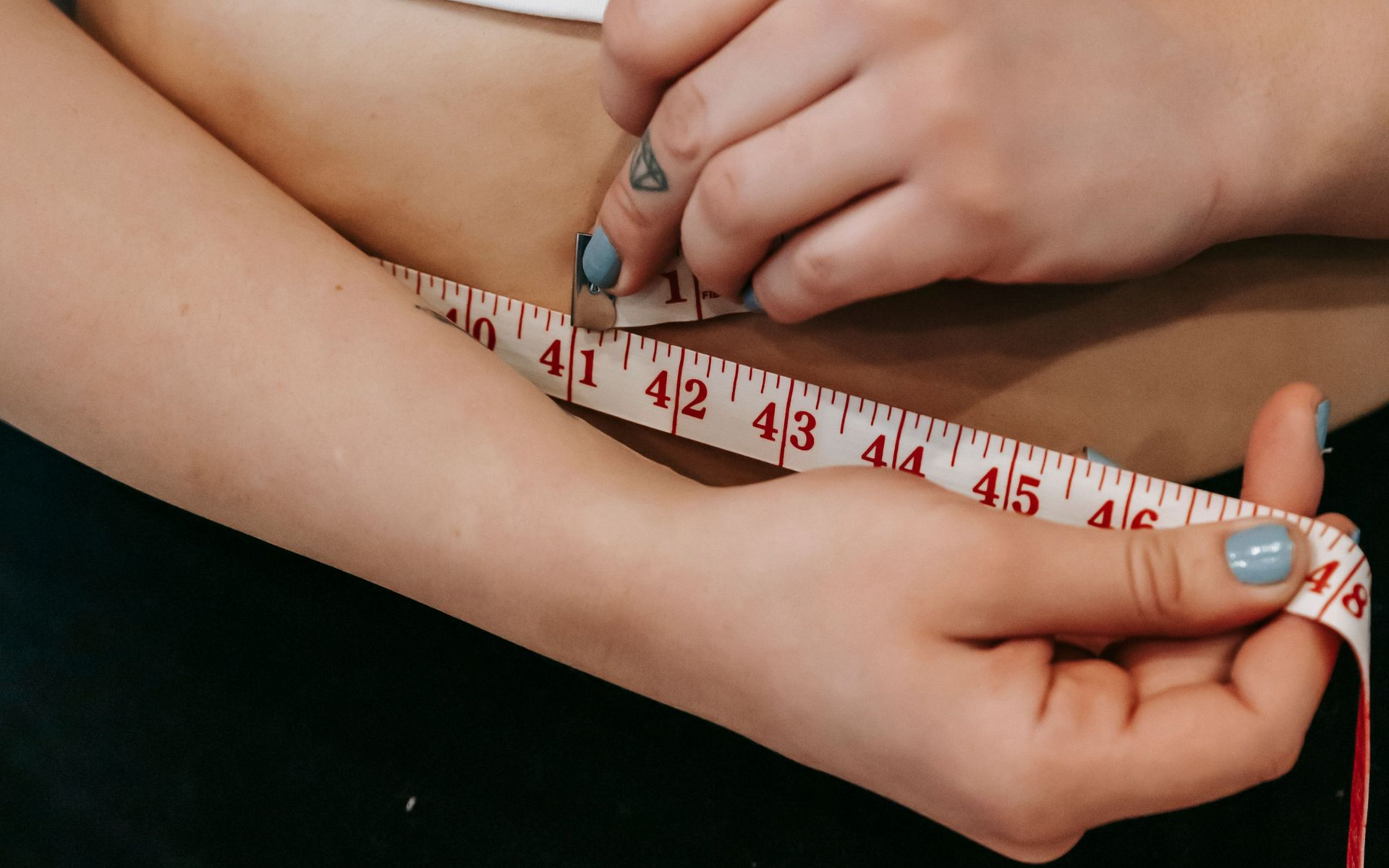
GLP-1 medications such as Ozempic®, Wegovy®, and Mounjaro® (tirzepatide) have fundamentally changed how patients approach weight loss. As a board-certified plastic surgeon, I see an increasing number of patients in the Charleston area who have achieved life-changing weight loss through these medical treatments and are now looking to address the physical changes that follow.
Significant, rapid weight loss from GLP-1 medications frequently leaves patients with loose skin, loss of facial volume ("Ozempic Face"), and deflated body contours. Plastic surgery options like custom body contouring, facelifts, and breast lifts can effectively restore a natural, balanced appearance once weight stabilizes.
While losing excess weight brings substantial health benefits, rapid weight loss often results in facial volume depletion, skin laxity, and altered body contours that cannot be corrected by diet or exercise alone. Fortunately, a tailored combination of surgical and non-surgical procedures can restore your natural proportions.
Reversing "Ozempic Face": Facial Rejuvenation
One of the most frequent concerns patients share during consultations is that their face looks prematurely aged or tired after significant weight loss. This phenomenon, widely known as “Ozempic face,” happens after rapid weight loss from any cause.
When facial fat pads decrease, patients typically notice:
- Hollow or sunken cheeks and temples
- Loss of overall facial fullness and structural support
- Increased skin laxity and jowling along the jawline
- More prominent nasolabial folds and deep wrinkles
The face naturally loses volume as we age, and rapid weight loss accelerates this process. Depending on the degree of skin laxity and volume loss, we utilize different approaches:
Dermal Fillers for Liquid Restoration
For mild to moderate volume loss without severe skin sagging, injectable dermal fillers can instantly restore fullness to the cheeks and temples, creating a refreshed, youthful look with zero downtime.
Facial Fat Grafting (Fat Transfer)
For patients seeking a long-lasting, natural solution, facial fat grafting is highly effective. We harvest your own fat from another area of the body, process it, and strategically reinject it to soften hollow regions and restore volume.
Facelift & Neck Lift Surgery
When significant skin laxity and jowling are present, non-surgical options are rarely enough. A surgical facelift or neck lift is the gold standard to remove excess skin, tighten underlying muscles, and restore sharp definition to the jawline.
Body Contouring After Major Weight Loss
Substantial weight loss changes the body even more dramatically than the face. Once skin has been severely stretched for an extended period, it loses its elasticity and cannot fully contract on its own. While exercise strengthens underlying muscle, it cannot eliminate hanging skin.
Breast Lift (Mastopexy) & Implants
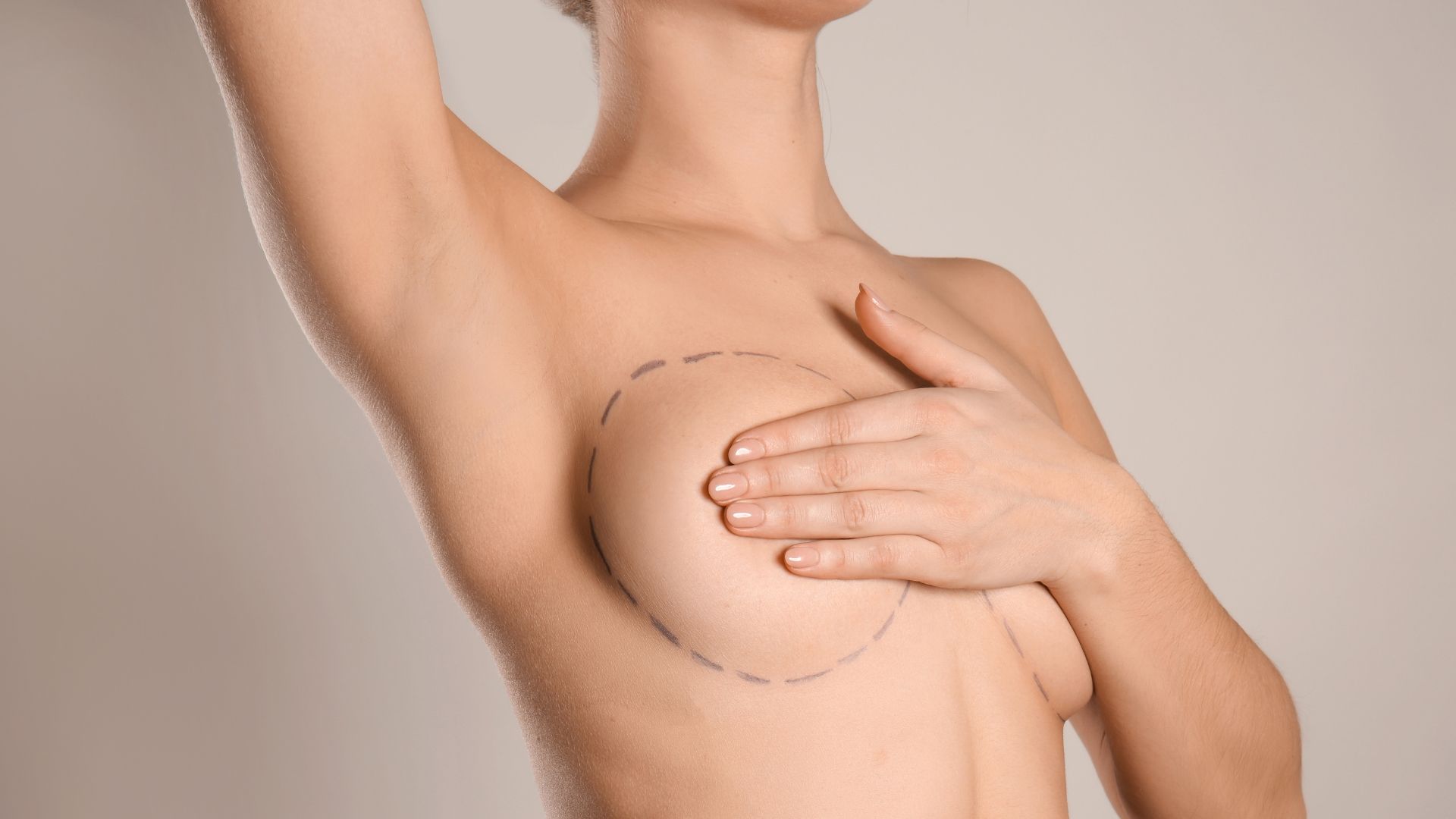
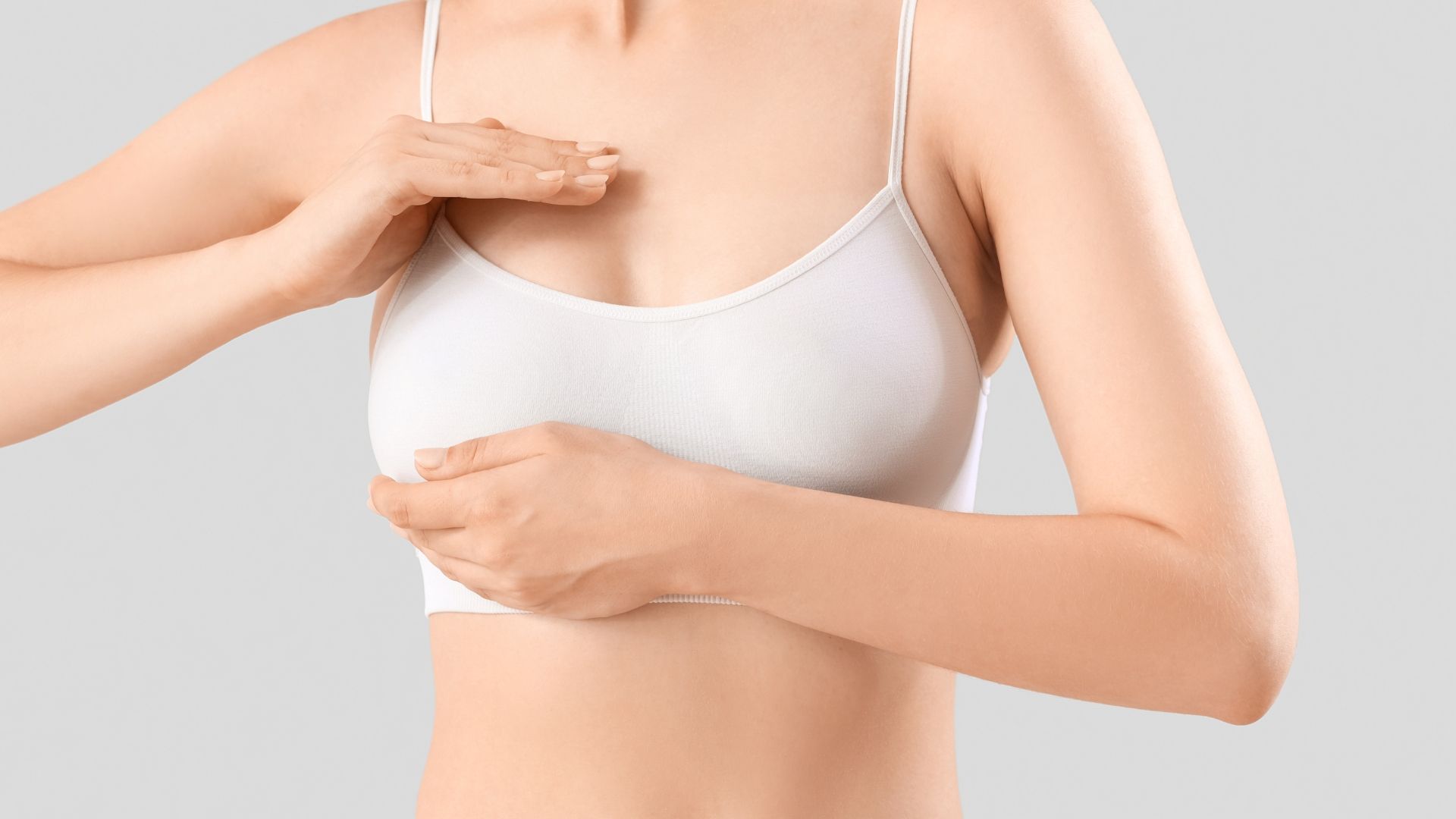
Women frequently experience deflated, droopy, or sagging breasts following GLP-1 weight loss as glandular tissue and fat diminish.
- The Solution: A breast lift (mastopexy) removes excess skin and lifts the breast tissue into a more youthful, upright position.
- Volume Restoration: For patients desiring to regain lost fullness or cleavage, we can combine the lift with breast implants or fat transfer during the same procedure.
Tummy Tuck (Abdominoplasty)
Excess abdominal skin is the leading reason patients seek cosmetic surgery after finishing their GLP-1 treatment path.
- The Solution: A tummy tuck (abdominoplasty) removes hanging abdominal skin and repairs separated or weakened abdominal muscles (diastasis recti). This procedure significantly improves body contour, enhances mobility, and allows clothing to fit comfortably.
Arm Lift (Brachioplasty)
As underlying fat decreases in the upper arms, loose skin creates a hanging "bat wing" appearance. An arm lift (brachioplasty) removes this excess tissue from the underarm area, creating a firmer, smoother, and more proportional upper body contour.
Timeline: When Is the Best Time for Surgery After GLP-1 Weight Loss?
Timing is crucial to securing safe, beautiful, and long-lasting surgical outcomes.
- Weight should be stable for at least 3 to 6 months.
Surgical safety protocols require careful management of anesthesia relative to GLP-1 usage.
Schedule a Consultation in Mount Pleasant & Charleston, SC
The goal of post-weight loss plastic surgery is not just to alter your appearance, but to help you fully celebrate and embrace your health milestones. Whether you are dealing with "Ozempic face," breast deflation, or loose abdominal skin, we will develop a personalized treatment plan designed for your body.
To learn more about your options or to schedule a private consultation with Dr. Ram Kalus, visit mtpleasantplasticsurgery.com or contact our office directly at 843-972-3122.