Frequently Asked Questions About Breast Lift Surgery

July 15, 2025

Deciding to undergo a breast lift surgery is a personal journey toward renewed confidence and improved body contour. As with any cosmetic procedure, potential patients often have many questions about what the surgery entails, recovery expectations, and long-term outcomes. To help you navigate this process with confidence, this blog will address some of the most frequently asked questions about breast lift surgery. Providing clear, honest answers, we aim to give you the information you need to make well-informed decisions about your aesthetic goals.


Will my breast size be reduced by the same amount on both sides during surgery?


Both breast reduction surgery and breast lift surgery aims to achieve symmetry, but the extent of the lift and reduction on each side may vary depending on the individual's starting breast size and shape. Your surgeon will work to create a balanced and natural-looking result.


How soon can I wear a regular bra after breast lift/reduction surgery?


Your surgeon will provide specific instructions on when and what type of bra to wear after breast reduction surgery. Typically, you may need to wear a supportive surgical bra for several weeks after the procedure to aid in healing and reduce swelling.


How soon can I drive after breast reduction surgery? 


Driving after breast reduction or breast lift surgery can usually be resumed within a week following surgery. This can depend on the individual's pain level, range of motion, and the surgical technique and extent of surgery. Most surgeons recommend waiting at least a week after surgery before driving to avoid any sudden movements or jarring. It's essential to follow your surgeon's recommendations and listen to your body to ensure a safe and comfortable recovery.


Can I have breast reduction surgery if I already have implants?


A woman with breast implants who feels her breasts are too large may simply need to have her implants removed, and possibly an accompanying breast lift at the same time. Breast reduction surgery can also be performed if the breasts remain too large even after the implants are removed, but the procedure may be more complex, and the risks may be higher. Your surgeon will evaluate your individual situation and provide recommendations based on your needs and goals.


Can breast reduction surgery be done without removing the nipple?


In most cases, the nipple is not removed during breast reduction surgery, but simply positioned higher on the breast because it is too low. The surgeon may make an incision around the areola to reduce its size and reposition it to a higher location, but the nipple should remain attached to the breast tissue.


How long should I wait to have breast reduction surgery after breastfeeding?


It's recommended to wait at least three to six months after breastfeeding to have breast reduction surgery to ensure that the breast tissue has fully healed and any milk production has stopped.


Can I have breast reduction surgery if I am overweight?


Breast reduction surgery can be performed on individuals who are overweight, but the surgeon may recommend weight loss before the procedure to reduce the risk of complications and improve the results. Remember, the breast consists of breast tissue (gland) and fatty tissue. The Glandular tissue is responsive to hormones and the fatty tissue is responsive to weight fluctuations. The most long term stable result from breast reception surgery will occur if the patient is at a stable starting weight. If there is a significant amount of weight loss AFTER breast reduction, the breasts may droop or sag once again, requiring a secondary breast lift. 


How long will I need to take off work after breast reduction surgery?


The amount of time needed off work after breast reduction surgery varies depending on the extent of the procedure and the individual's job requirements. Most patients can return to work within one to two weeks, but it may take longer for those with more physically demanding jobs.


Can breast reduction surgery improve my posture?


Breast reduction surgery can definitely improve posture by reducing the weight of the breasts and removing excess tissue that can cause strain on the back, neck, and shoulders. After the procedure, many patients report feeling more comfortable and standing taller, and can participate in physical activity such as Yoga, Pilates, jogging, and tennis far more easily.


Can breast reduction surgery improve my ability to exercise?


Breast reduction surgery can improve your ability to exercise by reducing the weight and size of the breasts, allowing for greater ease of movement and comfort during physical activity. However, it's important to wait until your surgeon gives clearance before resuming any strenuous exercise after the procedure. This is usually permitted four to six weeks following surgery. 


For more information visit www.drkalus.com, check out his podcast Sculpting The Soul, or reach out to Dr. Ram Kalus at 843-972-3122, or send an email to info@drkalus.com

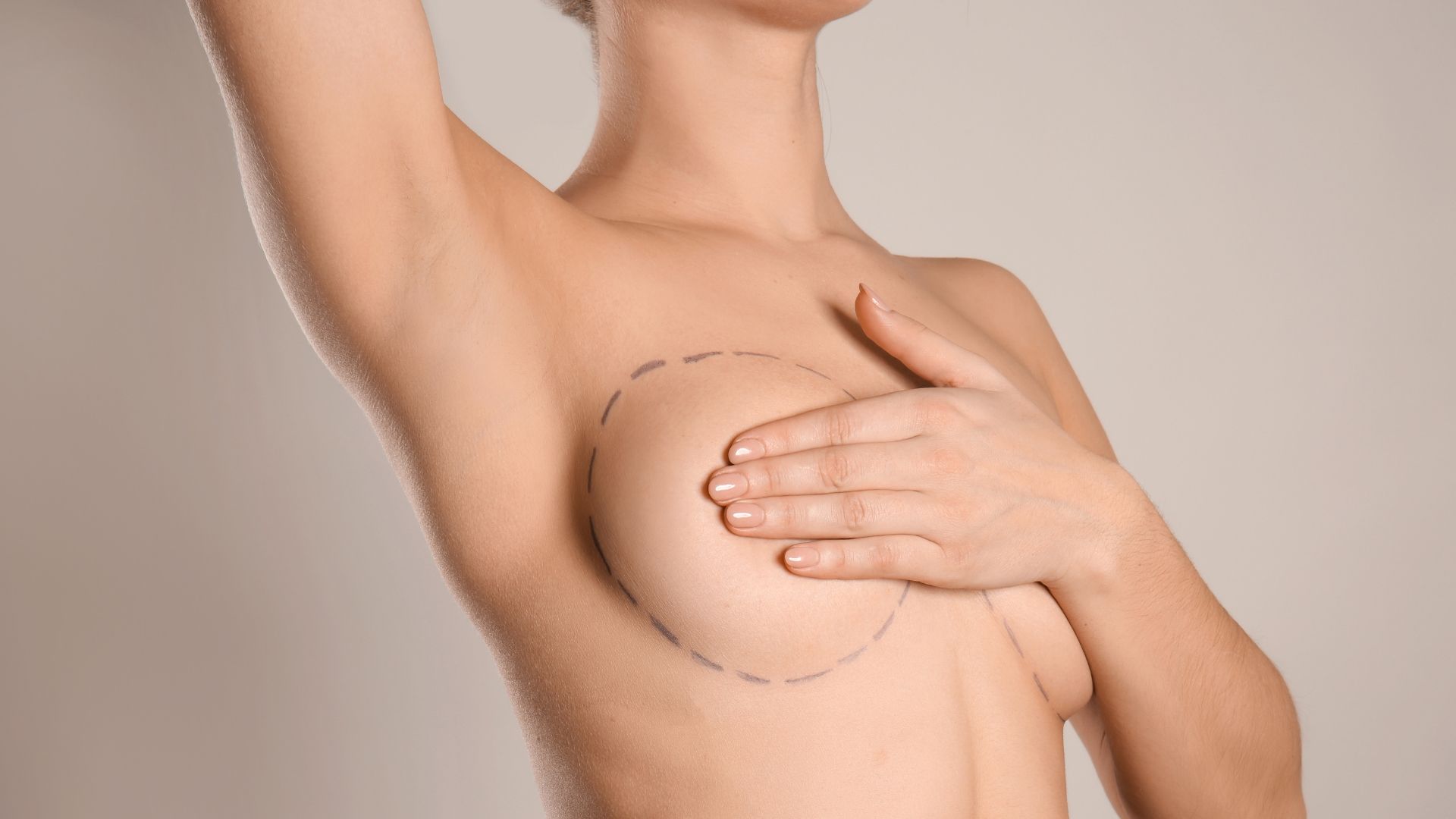
View Our Gallery of Successful Breast Lift Procedures
By Braian Greno June 29, 2026
Nuevo título
By Stingray Branding July 16, 2025
Breast augmentation is a personal decision and there is no one- size-fits-all approach to the process. Many women with small breasts may consider breast augmentation to enhance their breast size and improve their self-confidence. However, deciding on the ideal size for breast implants can be daunting, especially if the goal is to achieve a natural and pretty outcome. To determine the ideal size of breast implants, it is crucial to consult with a board-certified plastic surgeon who will evaluate your current breast size, shape, and the extent of the desired augmentation. The surgeon will also consider your body type, lifestyle, and cosmetic goals. Breast Implants are available in many different sizes and there are three important implant measurements to consider: Volume, Width, and Projection. Most patients focus on volume (250 cc versus 350 cc) but in fact, the most important single measurement of an implant is the width. Similar to shoe size, the implant must “fit” underneath the breast just as a shoe must fit the foot. During the consultation, the surgeon may use images of women with your dimensions and breast size and shape to help you determine what might be right for you. This helps the patient to visualize how their breasts will look after the procedure and make an informed decision regarding the size of the breast implants. It is essential to ensure that the desired size is not too large for your frame as this may result in an unnatural appearance. A skilled surgeon will take measurements to determine the best size for your body type and ensure that the breast implants are proportional and aesthetic. In conclusion, breast augmentation is an excellent option for women who want to enhance their breast size and appearance. Choosing the ideal size of breast implants requires careful consideration of multiple factors, including consultation with a board-certified plastic surgeon, body type, desired cosmetic outcome, and lifestyle. It is essential to make an informed decision, aiming for natural-looking and pretty breasts. For more information or if you would like to schedule a consultation to discuss a beautiful and natural appearing breast augmentation, Breast Augmentation: What you need to know Breast augmentation is a personal decision and there is no one- size-fits-all approach to the process. Many women with small breasts may consider breast augmentation to enhance their breast size and improve their self-confidence. However, deciding on the ideal size for breast implants can be daunting, especially if the goal is to achieve a natural and pretty outcome. To determine the ideal size of breast implants, it is crucial to consult with a board-certified plastic surgeon who will evaluate your current breast size, shape, and the extent of the desired augmentation. The surgeon will also consider your body type, lifestyle, and cosmetic goals. Breast Implants are available in many different sizes and there are three important implant measurements to consider: Volume, Width, and Projection. Most patients focus on volume (250 cc versus 350 cc) but in fact, the most important single measurement of an implant is the width. Similar to shoe size, the implant must “fit” underneath the breast just as a shoe must fit the foot. During the consultation, the surgeon may use images of women with your dimensions and breast size and shape to help you determine what might be right for you. This helps the patient to visualize how their breasts will look after the procedure and make an informed decision regarding the size of the breast implants. It is essential to ensure that the desired size is not too large for your frame as this may result in an unnatural appearance. A skilled surgeon will take measurements to determine the best size for your body type and ensure that the breast implants are proportional and aesthetic. In conclusion, breast augmentation is an excellent option for women who want to enhance their breast size and appearance. Choosing the ideal size of breast implants requires careful consideration of multiple factors, including consultation with a board-certified plastic surgeon, body type, desired cosmetic outcome, and lifestyle. It is essential to make an informed decision, aiming for natural-looking and pretty breasts. For more information or if you would like to schedule a consultation to discuss a beautiful and natural appearing breast augmentation, visit www.drkalus.com or contact the office of Dr. Ram Kalus at 843-972-3122 , or send an email to info@drkalus.com .

By Stingray Branding July 16, 2025
Breast augmentation is the most commonly performed cosmetic surgery procedure in the world. Women opt for breast augmentation to enhance the appearance of their breasts, restore breast volume after pregnancy or weight loss, and to improve their self-esteem and confidence. In this article, we will explore what breast augmentation is, its cost, different types of breast implants, how to prepare for the procedure, the surgery itself, healing after surgery, and how long your implants may last. What is Breast Augmentation? Breast augmentation, also known as breast enlargement or augmentation mammaplasty, is a surgical procedure that involves the insertion of breast implants to increase the size, shape, and fullness of the breasts. Breast implants are medical devices that are filled with either saline or silicone gel and placed under the breast tissue or chest muscle. The choice of implant and placement location will depend on several factors, including desired outcome, your anatomy, and your plastic surgeon's recommendation. How much does a Breast Augmentation Cost? The cost of breast augmentation can vary depending on several factors, including the surgeon's fee, type of breast implant, surgical facility fee, anesthesia fee, and pre-operative testing. According to the American Society of Plastic Surgeons, the average total cost of breast augmentation surgery in the USA ranges from $6,000 to $10,000, but can be higher depending on city, surgeon, and facility. More experienced senior plastic surgeons will generally have higher fees. Breast Implants There are two main types of breast implants: saline-filled, and silicone gel-filled. Both types of implants have a silicone shell or envelope, but “saline“ implants are filled with sterile salt water, while “silicone” implants are filled with a cohesive silicone gel. The choice of implant will depend on several factors, including the patient's preference, the surgeon's recommendation, and the desired outcome. Saline implants have a lower cost compared to silicone implants, and they are filled a the time of surgery, allowing for minor adjustments to be made to the size during surgery. However, there is a slightly greater risk of visible or palpable rippling with saline filled implants when compared with silicone gel-filled implants. In addition to the type of implant, there are different shapes and sizes available to accommodate different body types and desired outcomes. Your surgeon will work with you to select the best implant size and shape based on your body type, skin elasticity, and desired outcome. Most plastic surgeons today use round smooth implants and precise preoperative planning by an experienced plastic surgeon is the surest way to achieve a beautiful and natural appearing result. How to Prepare for Breast Augmentation: Before undergoing breast augmentation surgery, it is important to stop certain medications, such as aspirin and non-steroidal anti-inflammatory drugs (NSAIDs), that can increase bleeding risk. Quitting smoking and avoiding nicotine products for several weeks before and after surgery is also very important as smoking can impair healing and increase the risk of complications. Maintaining a healthy lifestyle, including a balanced diet and regular exercise are also important. Arranging for transportation to and from the surgical facility on the day of the procedure is a must, since you will not be able to drive yourself home after surgery. Preparing your home for your recovery, such as stocking up on food and necessary supplies, and arranging for help with household chores and caring for children or pets is very important and it is advisable to avoid certain activities such as driving for a week or two, lifting children or other heavy objects, laundry and vacuuming, and exercise for approximately4 weeks. It is important to follow your surgeon's instructions carefully The Surgery - Step by Step: Breast augmentation surgery is typically performed under general anesthesia and may take one to two hours to complete. The surgery generally involves the following steps:  Incision : The surgeon will make an incision in the predetermined location based on the type of implant, patient's anatomy, and desired outcome. Usually the incision is in the fold below the breast. The surgeon will take care to make the incision as small and inconspicuous as possible to minimize scarring. Implant Placement : The surgeon will create a pocket to insert the breast implant. The pocket can be created either under the breast tissue (subglandular or subfascial placement) or beneath the chest muscle (“submuscular” or “subpectoral” or dual plane” placement). The choice of implant placement will depend on the patient's anatomy, desired outcome, and surgeon's recommendation. The surgeon will then insert the implant into the pocket and adjust it for the desired position and symmetry. Closing the Incision : Once the implant is in place, the surgeon will close the incision with dissolvable sutures and glue or surgical tape. The incision will be covered with a sterile dressing or surgical bra to protect the incision site and showering is permitted the next day. Healing After Breast Augmentation: After the surgery, patients can expect some swelling, bruising, and discomfort in the breasts for several days to weeks. Most Patients fee 75% recovered within 7-10 days and 95% recovered by 4 weeks. Pain medication and antibiotics may be prescribed to manage pain and prevent infection. It is important to follow the surgeon's post-operative instructions carefully, which may include: Rest and Recovery : Patients are advised to avoid strenuous activities and lifting heavy objects for several weeks after the surgery. Patients may also be required to wear a surgical bra to support the breasts and aid in healing. Follow-up appointments : Patients will be scheduled for follow-up appointments to monitor healing progress and remove any sutures. Scar Management : Scarring is a natural part of the healing process after surgery. The surgeon may provide instructions on scar management, including massage and the use of silicone sheets or gels. Most patients heal their scars beautifully but it may take up to twelve months for the scar to reach its final appearance. Potential Complications Like any surgical procedure, breast augmentation surgery carries a risk of potential complications and dangers. Some of the risks associated with breast augmentation surgery include infection, bleeding, scarring, and anesthesia complications. Additionally, there is a risk of implant rupture, leakage, or capsular contracture (scar tissue formation around the implant). In rare cases, breast implants can also cause autoimmune or connective tissue diseases. It's important for patients to understand the potential risks and complications associated with breast augmentation surgery and to discuss them with their surgeon during the consultation phase. Patients should also follow the surgeon's instructions carefully during the post-operative period and attend all follow-up appointments to monitor healing progress and address any concerns or complications that may arise. Overall, while the risks associated with breast augmentation surgery are relatively low, patients should be aware of them and weigh them against the potential benefits of the procedure. How Long Will Your Implants Last? Breast implants are not considered lifetime devices and will require replacement at some point. The lifespan of breast implants will vary from patient to patient and will depend on several factors, including the type of implant, implant placement, and patient's anatomy. The American Society of Plastic Surgeons recommends that patients undergo periodic MRI screenings to monitor implant integrity and detect any signs of implant rupture or leakage. Conclusion: Breast augmentation surgery is a popular cosmetic procedure that can enhance the appearance of the breasts and improve a patient's self-esteem and confidence. The surgery involves the insertion of breast implants, and there are different types and sizes available to accommodate different body types and desired outcomes. Patients should prepare both physically and mentally before undergoing the surgery, and it is important to follow the surgeon's instructions carefully to ensure a successful outcome. Although breast implants are not lifetime devices, they can provide long-lasting results with proper care and monitoring